
The football shirt market is booming, and with vintage “grails” fetching hundreds of pounds, the counterfeit market has followed suit. Whether you are hunting for a 1990s classic or the latest “Player Version,” you need to know exactly what you are looking at.
At vintagematchwear.com, we believe in the history, quality, and integrity of the beautiful game. Here is our definitive guide to ensuring your collection stays 100% authentic.
1. Modern Kits: The Digital Legit Check (2010–Present)
Modern manufacturing has made it easier than ever to verify a shirt in seconds.
Nike: The 9-Digit Code
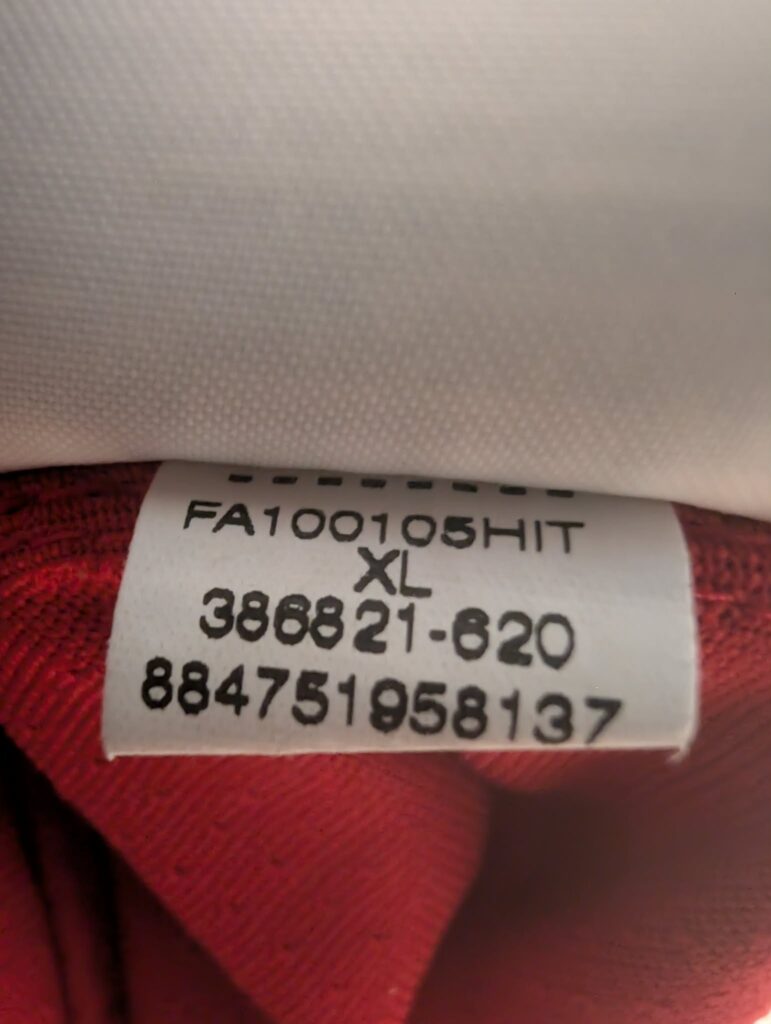
- The Location: Look inside the shirt for the wash care tags (usually on the lower left side). Tucked behind the large labels is a tiny, square white tag.
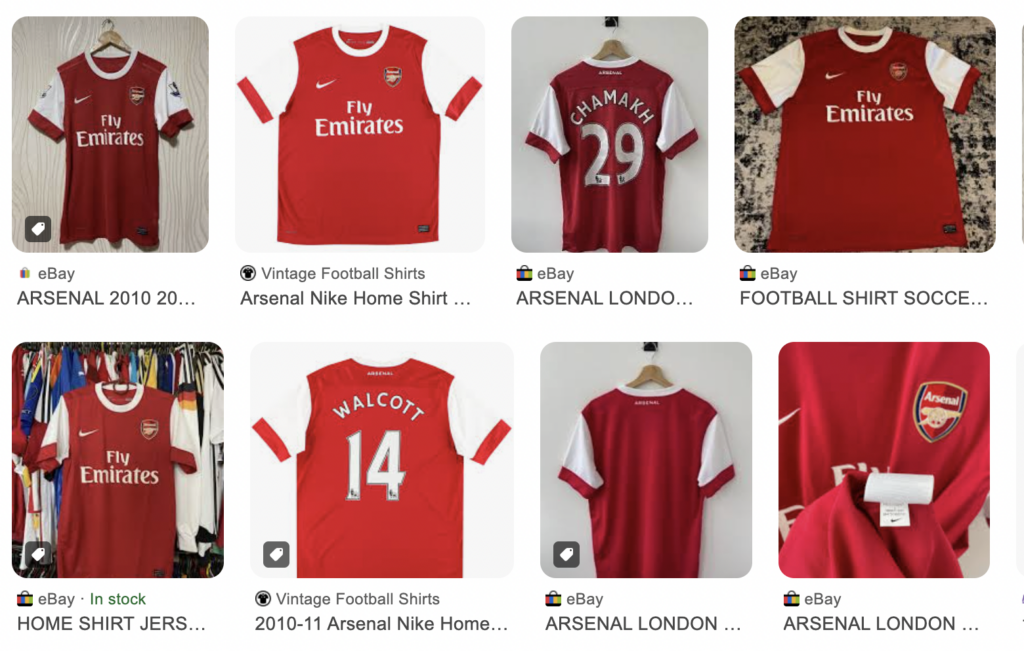
- The Check: It will show the size (e.g., XL) and a 9-digit alphanumeric code (386821-620).
- The Test: Google this code. If the search results show your exact shirt, you’re safe. If it shows a generic t-shirt or a different team, it’s a fake.
Adidas: The “JSY” Red Flag
- The Hangtag: If the shirt is Brand New With Tags (BNWT), check the cardboard label. Counterfeiters often use a generic tag that says “ADIDAS JSY” or “ADIDAS JERSEY.” An authentic tag will always specify the team name (e.g., “MUFC H JSY”).
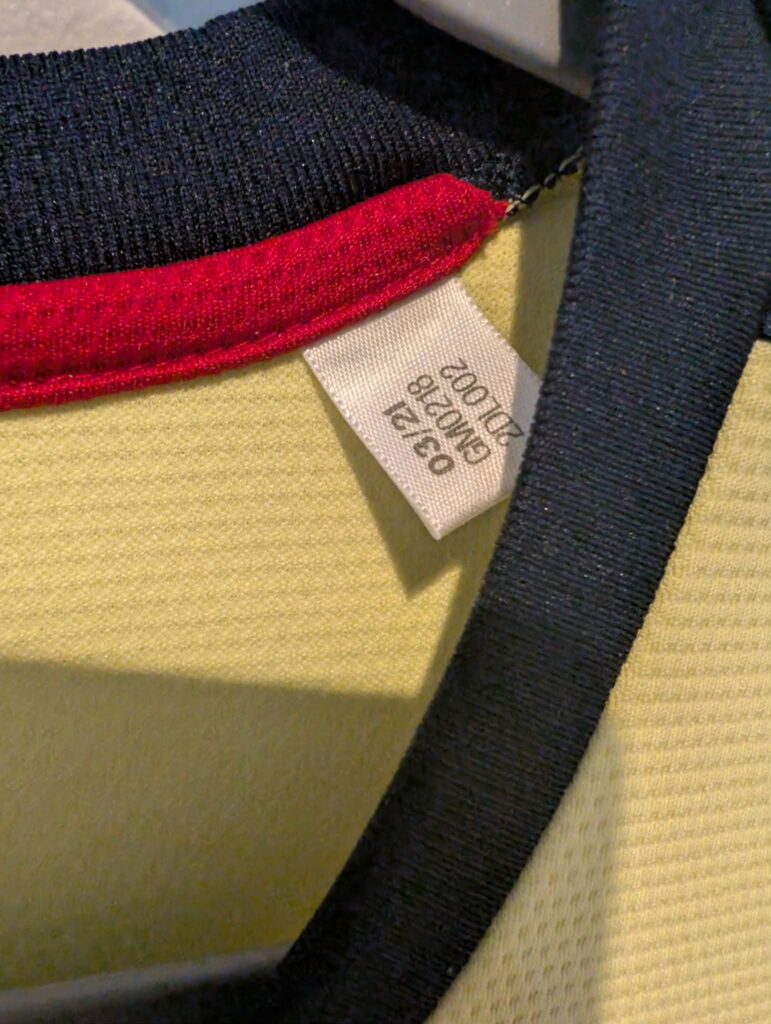
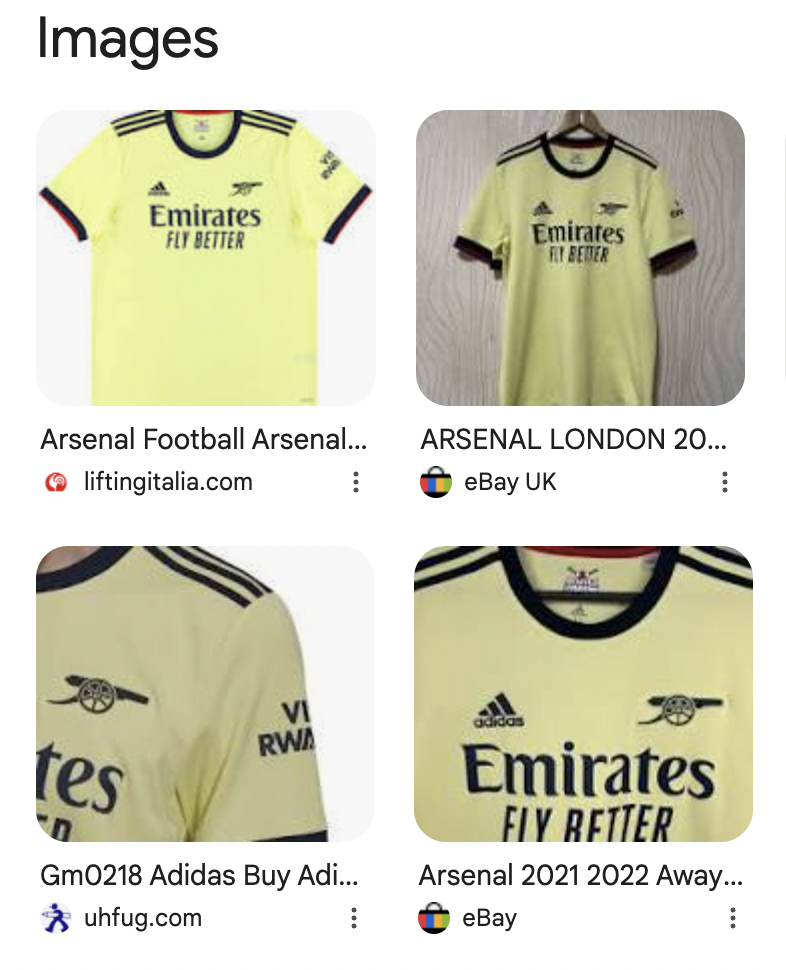
- The Code: Look for a small square tag in the neck or shoulder seam with a 6-digit style code, example (GM0218)
- The Test: Google this code. If the search results show your exact shirt, you’re safe. If it shows a generic t-shirt or a different team, it’s a fake.
Puma & Umbro
Puma: Look for a shimmering silver holographic strip woven into the internal wash tag. It should change slightly in the light.
Umbro: Modern Umbro kits feature a silver holographic sticker on the neck label or wash tag with a unique serial number.
2. Vintage Kits: The “Hidden” Details (90s & 00s)
Before style codes were standardized, brands used subtle physical markers to prove authenticity.
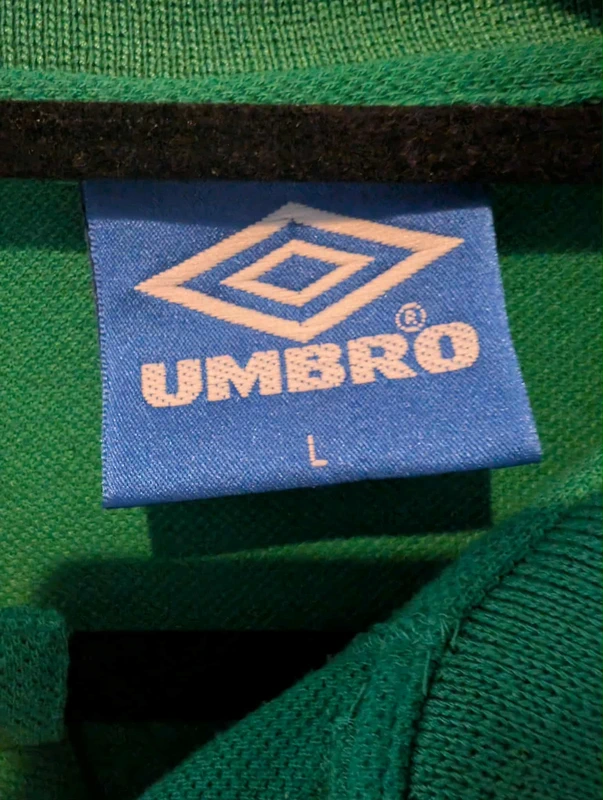
The Umbro “Dot” Trick
In the 1990s, Umbro was the gold standard for kits.
- The Secret: Examine the printed neck label closely. Authentic vintage Umbro shirts feature tiny, subtle raised dots (a stippled texture) within the white border of the label.
- The Fake: Fakes almost always have a perfectly smooth, flat, or shiny plastic-feeling label. If the dots are missing, it’s not an original.
Adidas Country Codes
On 90s Adidas “Equipment” tags, look at the sizing list. Authentic tags show different sizes for different countries (e.g., UK: L, D: 8, F: 192). Fakes often lazily list “L” under every single country.
3. The Dark Side of the “Bargain”: Why Fakes Matter
It is tempting to grab a “replica” for £20, but the real cost of a fake shirt goes far beyond the price tag.
- Funding Criminality: Counterfeit football shirts are a major source of revenue for organized crime networks. Investigations have shown that profits often fund drug trafficking and money laundering.
- Human Rights: Authentic brands are held to strict labor laws. Fakes are produced in unregulated sweatshops where forced labor and child labor are common.
- Personal Safety: Fake kits are not tested for safety. They often use toxic dyes that cause skin irritation and highly flammable synthetic materials that pose a serious fire risk.
Buy with Confidence at Vintage Matchwear
Nothing beats the feel and history of a genuine kit. A fake is worth zero the moment you buy it, but a genuine vintage shirt is an investment that holds its value.
At vintagematchwear.com, we take the guesswork out of collecting. Every item in our store undergoes a rigorous multi-point inspection to ensure it meets the exact brand standards discussed in this guide.
We only sell 100% authentic shirts, and you can browse our curated collection of verified classics at vintagematchwear.com/shop.